
Guide
Holud dala and tattwa: what goes on each tray, and what it costs
8 min read
Key takeaways
A holud tattwa is usually six or seven decorated trays: the kula with turmeric and mehendi, then sweets, paan, fish, fruit, the outfit, cosmetics and family gifts. In Dhaka a kula cost ৳300 to ৳1,500 in 2024, and having a dala decorated cost ৳2,000 to ৳4,000 in 2026. Customs vary by family and religion.
On this page8
- What are the holud dala, kula and tattwa?
- What goes in the holud tattwa?
- How do Muslim and Hindu holuds differ?
- How much do holud dala and kula cost?
- Should you decorate the dalas yourself or hire someone?
- How do you decorate a holud dala?
- Where can you buy dala and kula in Dhaka?
- When should you start preparing?
What are the holud dala, kula and tattwa?
A dala is a tray or basket, a kula is a winnowing tray, and the tattwa (also written tottho) is the set of decorated gifts one family sends the other. At a gaye holud the kula carries the turmeric and mehendi, and the dalas carry everything else. Most families need six or seven trays, not twelve, so spend on what the couple will keep, such as good clothes and a sturdy tray, rather than on cellophane and glitter.
Every family does this a little differently. Muslim and Hindu families, Dhaka and village families, and even the two sides of one wedding follow different customs. Agree the list with the other family before anyone buys anything, and ask the elders on both sides what they expect.
Holud dala and tattwa costs at a glance
| Item | A price we found in Dhaka |
|---|---|
| Holud kula | ৳300–৳1,500 (2024); decorated bou kula ৳800–৳2,500 (2023) |
| Paan dala | Under ৳500 (2024) |
| Sweets box with compartments | Under ৳700 (2024) |
| Decorated mirror | About ৳800 (2024) |
| Wooden two-tier dala | ৳1,000–৳2,500 (2024) |
| Wooden clothes stand | About ৳3,600 (2024) |
| Having one dala decorated for you | ৳2,000–৳4,000; elaborate ones over ৳6,000 (2026) |
Prices rise with size and decoration and move every season, so treat them as a guide.
What goes in the holud tattwa?
The core has always been simple. In the past the main tattwa items were turmeric, sweets and paan-supari, with clothes, alta, bangles and jewellery for the bride, and clothes for the groom (Ajker Patrika, 2022). Today most families give each item its own tray. A typical list:
- The holud kula. Turmeric paste and mehendi in small bowls, often with a lamp or candles.
- Sweets, and in winter, pitha.
- Paan, folded and arranged on its own dala.
- Fish, decorated on a tray of its own.
- Seasonal fruit.
- The main outfit for the bride or groom.
- Shoes, cosmetics and accessories.
- Gifts for the family, such as saris and panjabis for parents and siblings.
- A mirror, for the face-seeing custom.
What the groom's side sends for the bride
A holud sari or outfit (often the wedding outfit too), jewellery or flower jewellery, shoes, a handbag, mehendi, alta and bangles, and a cosmetics tray: lipstick, kajal, nail polish, face cream, perfume, a comb and hair clips. Hindu families add the items their own custom calls for. If you're choosing the sari, our jamdani price guide and Tangail sari price guide show what each costs.
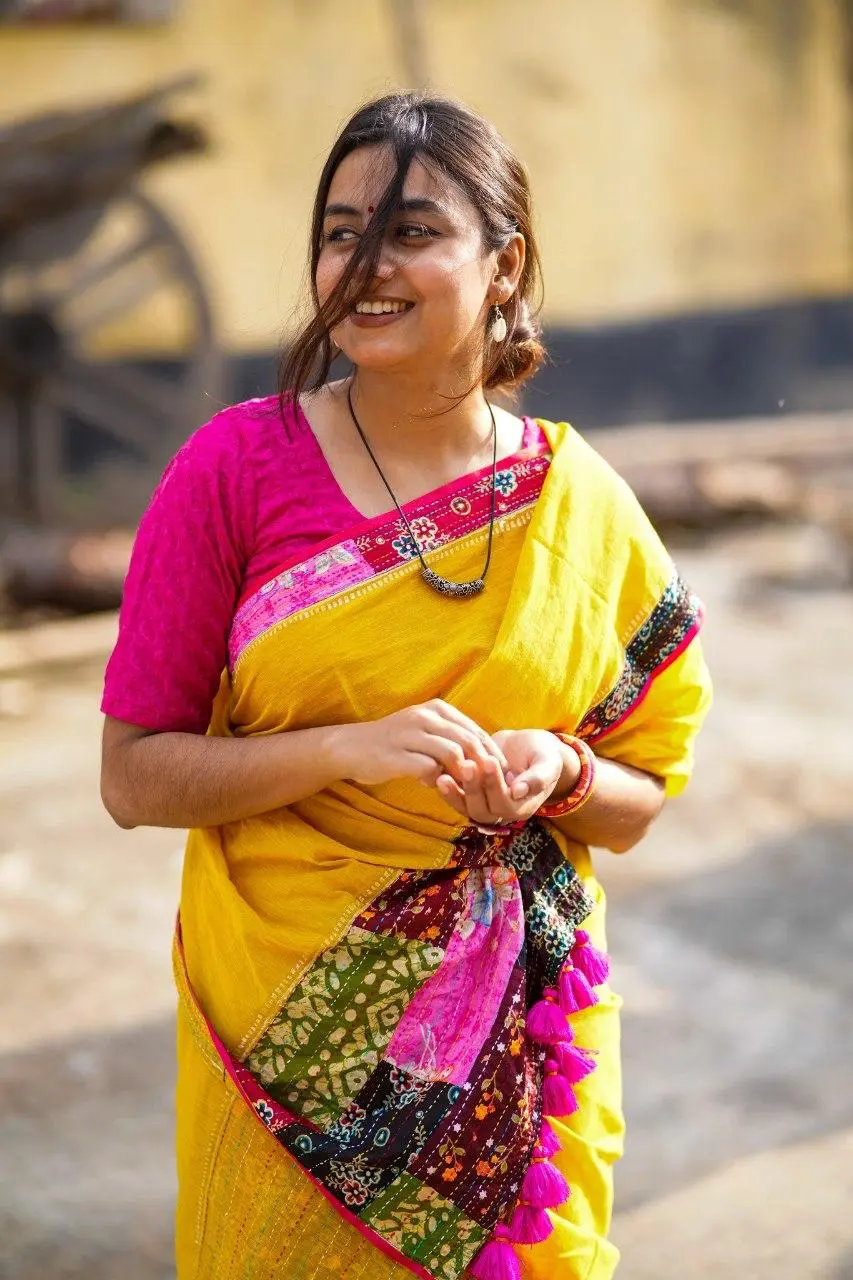
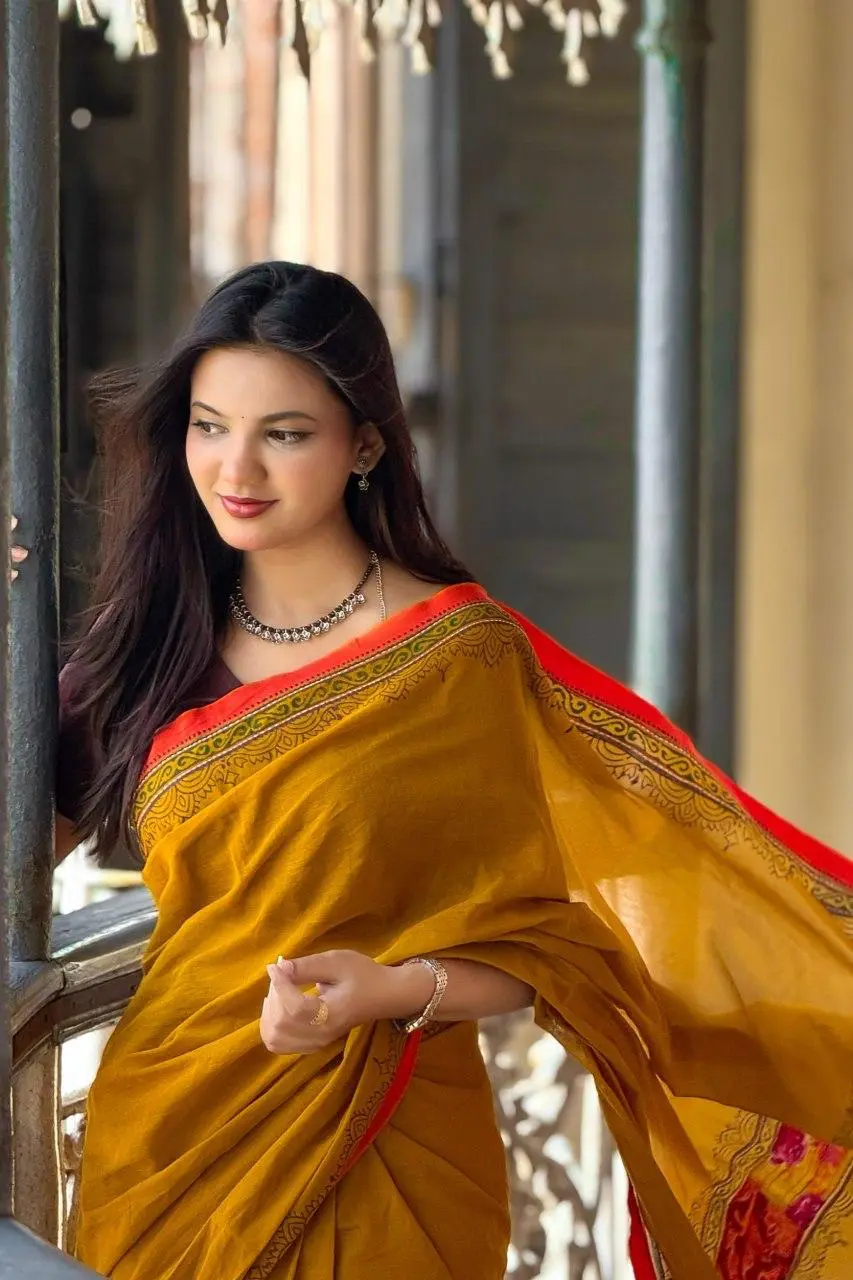
For a yellow holud sari, these Tangail cotton saris are hand-stitched by the JADUZ maker Boshon:
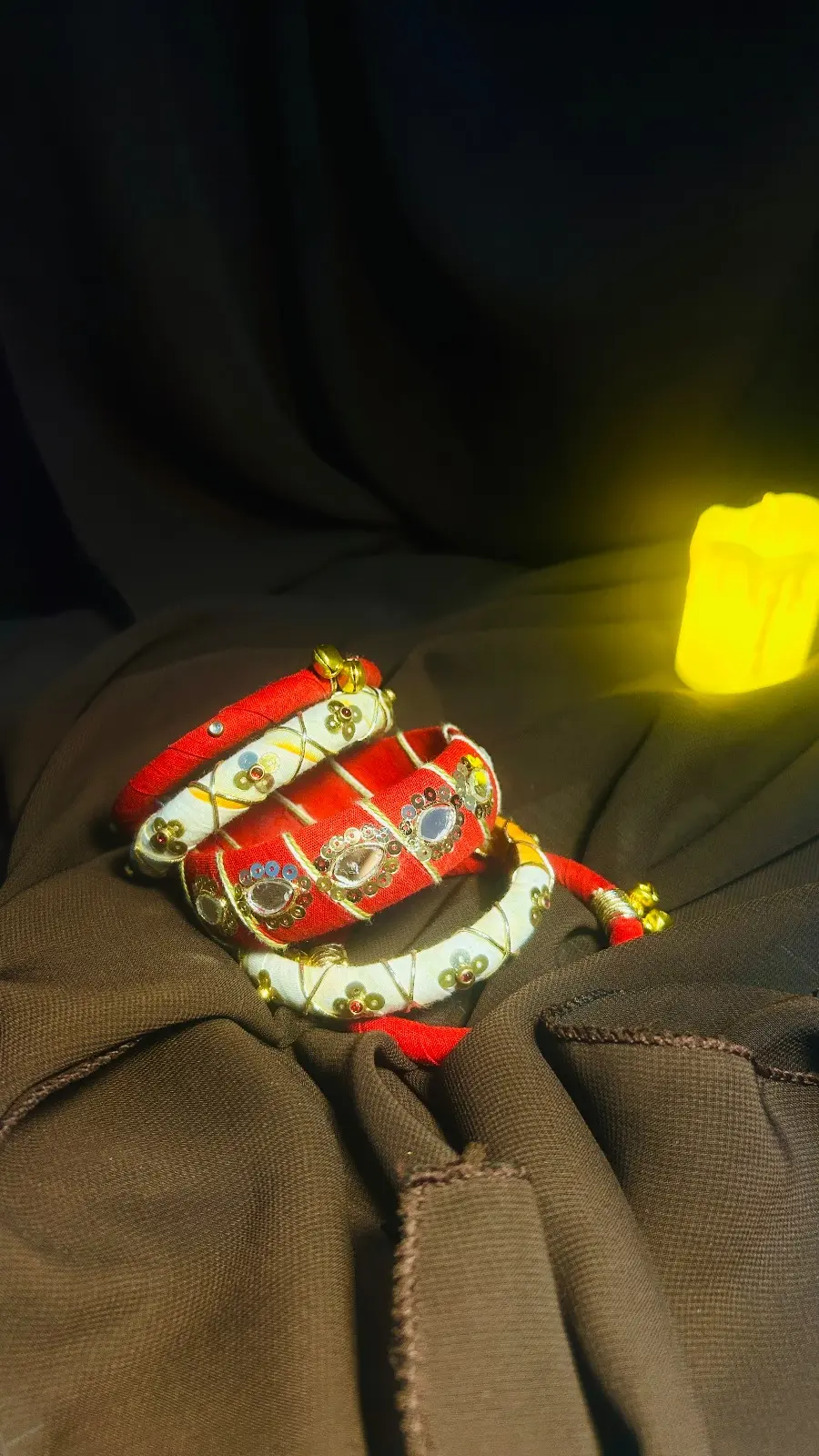
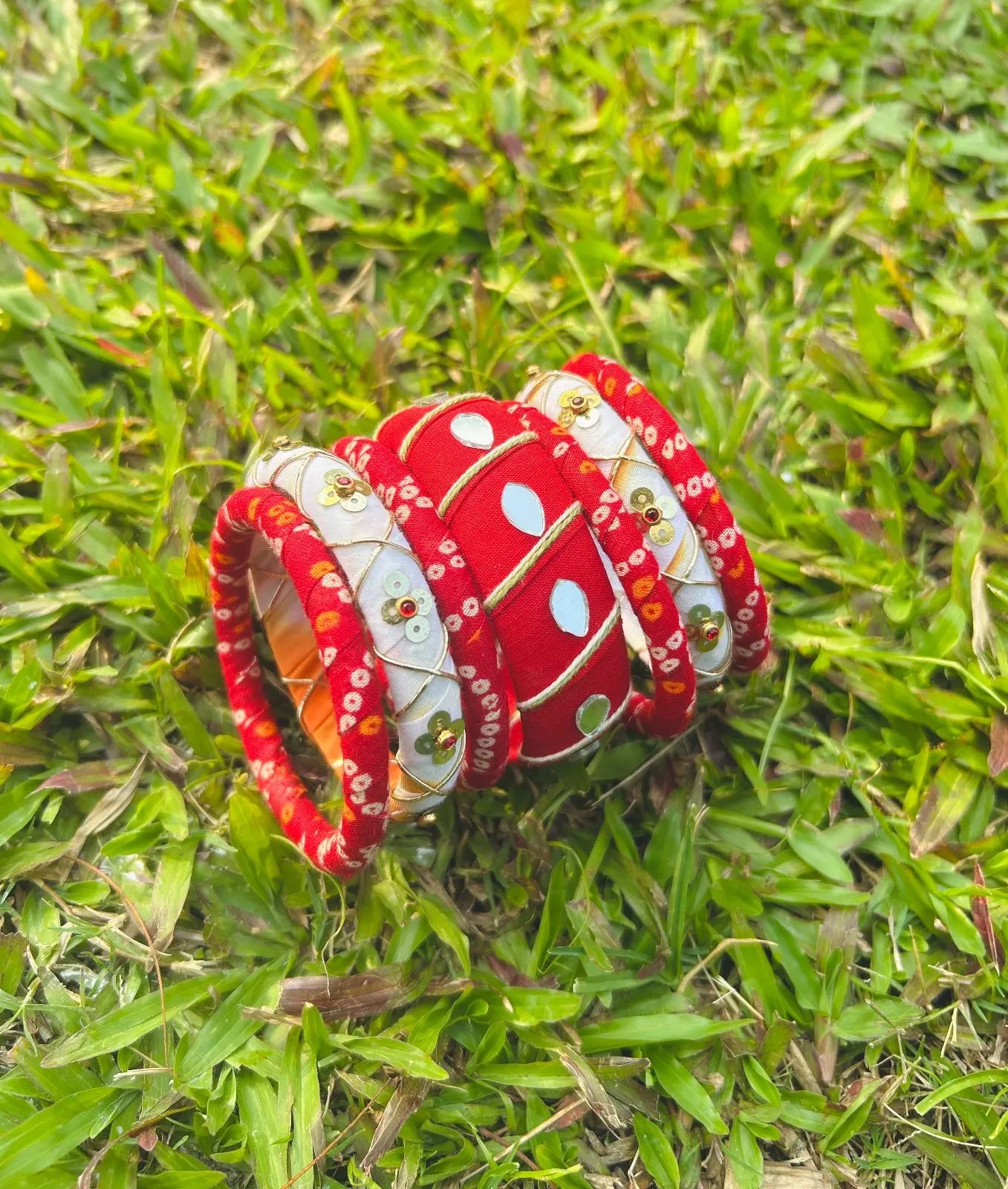
For the bangles, two red and white sets from a JADUZ jewellery maker:
What the bride's side sends for the groom
A panjabi and pyjama, shoes or nagra, a watch, perfume, a wallet, and toiletries such as a shaving kit. Gifts for his parents and siblings usually go on their own dala.
How do Muslim and Hindu holuds differ?
The trays look alike, but the ceremony around them differs.
- In many Muslim families, the holud is held a couple of days before the wedding, first at the bride's home and then at the groom's (Prothom Alo, 2019), and each side carries its tattwa to the other. Many urban couples now hold one joint holud instead and share the cost, and some skip raw turmeric for multani mati, besan or uptan to protect their skin (Prothom Alo, 2026).
- In Hindu families, the groom's family makes a paste of turmeric and mustard oil, which his mother and married women of the family apply to him. The rest of that paste goes to the bride's home with her clothes and trousseau. The groom's side also sends a pair of rui fish dressed as a bride and groom, with a little vermilion on a coin in the fish's mouth, which the groom later uses for the bride's sindoor (The Daily Star, 2017).
If the two families come from different traditions, or one side is more traditional, follow the more traditional side's list. Nobody minds an extra tray; people remember a missing one.
How much do holud dala and kula cost?
In Dhaka in December 2024 a kula cost ৳300 to ৳1,500 depending on how grand it was, a paan dala under ৳500, a sweets box with compartments under ৳700 and a decorated mirror about ৳800. Wooden two-tier dalas cost ৳1,000 to ৳2,500, and the couple can use them at home afterwards. A wooden clothes stand was about ৳3,600.
On Elephant Road in January 2023, plain holud kulas sold for ৳300 to ৳800 and the more decorated bou kula for ৳800 to ৳2,500 (Jago News). Back in 2019, plain dalas cost ৳200 to ৳800 and kulas ৳100 to about ৳700, so the top kula price has roughly doubled.
Should you decorate the dalas yourself or hire someone?
Decorating is the real cost. Having a dala assembled for you cost around ৳2,000 to ৳4,000 per piece in 2026, and elaborate setups with heavier bases cost more than ৳6,000 each (The Daily Star). Seven trays at ৳3,000 come to about ৳21,000, before you've bought what goes on them.
Our advice: decorate the dry trays yourselves and pay for help only where it shows.
- Do it yourselves: clothes, shoes, cosmetics and family gifts. A plain dala, a length of cloth, ribbon and a few fabric flowers, plus one evening with cousins, does the job.
- Consider hiring for: the fish and the kula, which are the hardest to make look good and the ones in every photo.
- Or buy ready-decorated trays from a dala shop. Elephant Road sellers make their kulas themselves, though the fabric, lace and flowers mostly come from India or China (Jago News, 2023).
How do you decorate a holud dala?
- Start with a plain bamboo or cane dala and wrap it in coloured cloth. Chunri or batik looks local; katan or silk feels richer. A kantha or a new gamchha as the tray cloth becomes part of the gift; our Nakshi Kantha guide explains what to look for.
- Add dry or fabric flowers, lace and ribbon around the rim or on two sides, not all over.
- Wrap each dala in clear or coloured cellophane, and tuck in a few flowers or wrapped chocolates.
- Pick one colour story for every tray: the yellows and greens of holud, or the colours of the couple's outfits. Very shiny dalas have fallen out of favour, and pink, purple and blue have joined gold and silver (Prothom Alo, 2019).
- Number every tray and keep a matching list of what's on it and who it's for. It keeps the trays in order on the day.
The fish tray
Keep the fish cold until the last moment and decorate the tray, not the fish: a banana leaf underneath, a garland or a small sari or panjabi draped over, and a separate washable tray so nothing else smells of fish. For a Hindu tattwa, the pair of rui dressed as bride and groom is the custom.
The fruit tray
Seasonal fruit in a cane basket, wrapped in clear coloured paper or soft cloth (Ajker Patrika, 2022). Wipe the fruit, use pieces of a similar size, and put the biggest at the back.
The paan tray
A dala made for paan cost under ৳500 in 2024. Fold the paan into cones or triangles, pin each with a clove, and lay them in rows or a circle with supari in the middle.
Sweets and pitha
Use a box with compartments so the sweets don't slide into each other, or a painted clay shokher hari, which has long carried sweets to weddings. Round and fish-shaped dalas are popular for sweets too. Pack sweets on the morning of the holud, never the night before.
Where can you buy dala and kula in Dhaka?
Try Bata Signal at Dhanmondi 2, Elephant Road, the lane at Eastern Mollika, the markets opposite Dhaka College, and Nurjahan Road opposite Mohammadpur Girls' High School. Kataban and Chawkbazar sell them too. Buy everything from one shop if you can: it's the easiest way to get a discount, and the staff will often help you choose.
When should you start preparing?
Start as soon as the date is fixed. December and January are the peak of the wedding season (The Financial Express, 2021), and one Elephant Road seller said his busiest months run from December to March and around both Eids.
- Agree the list with the other family: how many trays, and who sends what.
- Buy the outfits and gifts first. They take longest to choose.
- Buy the dalas and kula, with a spare tray or two.
- Decorate the dry trays a few days ahead.
- Do the fresh trays last: turmeric, mehendi, sweets, fruit and fish on the day.
- Check the numbered list against the trays before they leave the house. A short rhyming line on each tray's card is a nice touch, as long as the names are spelled right.
For the guests' side of the wedding, see our wedding gift ideas, and for presenting any gift in a box, our gift box and hamper guide.