
Guide
Tangail saree price in Bangladesh: half silk, cotton and jamdani
8 min read
Key takeaways
A Tangail saree costs from about ৳400 for plain handloom cotton to ৳20,000 and more for fine work. In Pathrail in October 2026, half silk sold for ৳1,000 to ৳3,000, Tangail jamdani for ৳1,500 to ৳5,500, and bead-worked kardana jamdani wholesaled at up to ৳12,500. The loom, yarn and motif work set the price.
On this page9
- How much does a Tangail saree cost in Bangladesh?
- How much is a Tangail half silk saree?
- What is Tangail jamdani, and how is it different from Dhakai?
- What makes one Tangail saree cost more than another?
- How can you tell an original handloom Tangail saree?
- Where can you buy Tangail sarees: haat, Pathrail or Dhaka?
- When is the busiest time to buy a Tangail saree?
- Is the Tangail saree a GI product and UNESCO heritage?
- How do you care for a Tangail saree?
How much does a Tangail saree cost in Bangladesh?
A Tangail saree costs from about ৳400 for a plain handloom cotton to ৳20,000 and more for fine work. The popular kinds sit in between: in Pathrail in October 2026, half silk sold for ৳1,000 to ৳3,000 and Tangail jamdani for ৳1,500 to ৳5,500. For festivals, a half silk is the best value in Bangladeshi handloom; for everyday wear in the heat, plain cotton.
Tangail saree price by type, at a glance
| Type | Price | Where and when |
|---|---|---|
| Plain handloom cotton | From ৳400 | Tangail, 2024 |
| Maslais cotton | ৳1,200–৳3,000 | Pathrail, 2026 |
| Half silk | ৳1,000–৳3,000 | Pathrail, 2026 |
| Half silk and handloom, Dhaka market | ৳1,000–৳2,500 | Gausia, Dhaka, 2025 |
| Tangail jamdani | ৳1,500–৳5,500 | Pathrail, 2026 |
| Cotton jamdani, pure silk, Baluchari | ৳3,000–৳4,000 | Pathrail, 2024 |
| Kardana jamdani, beads on anchal and body | ৳3,000–৳6,500 wholesale | Pathrail, 2026 |
| Kardana jamdani, beads all over | ৳3,500–৳12,500 wholesale | Pathrail, 2026 |
| Tangail Shari Kutir, Bailey Road showroom | ৳900–৳5,000 | Dhaka, 2026 |
| Fine work | ৳20,000 and up | Tangail, 2024 |
Wholesale prices at the haats run below shop prices, so expect to pay a little more in a Dhaka shop. Muniera Emdad of Tangail Shari Kutir put the full spread of Tangail saris at ৳500 to ৳50,000 in a 2024 interview.
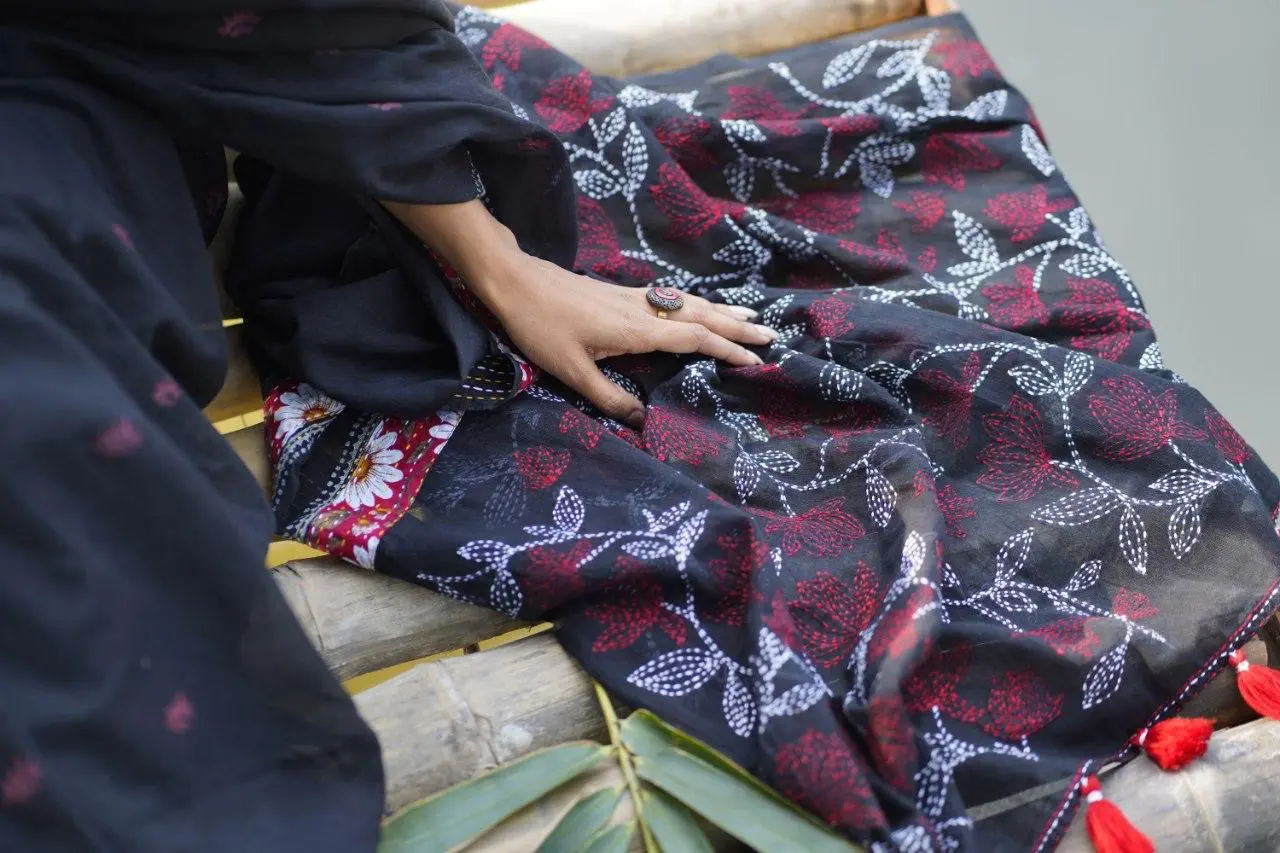
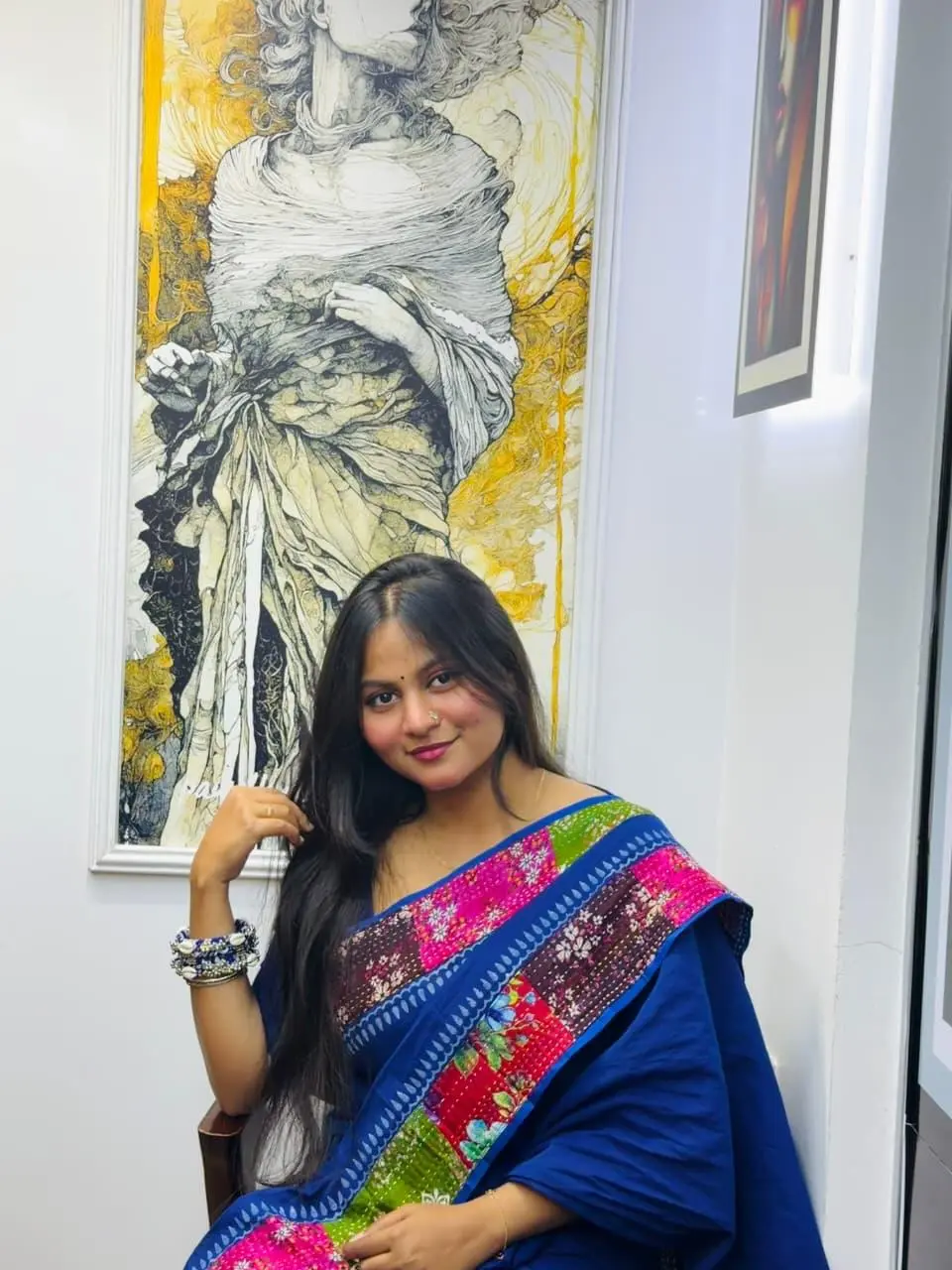
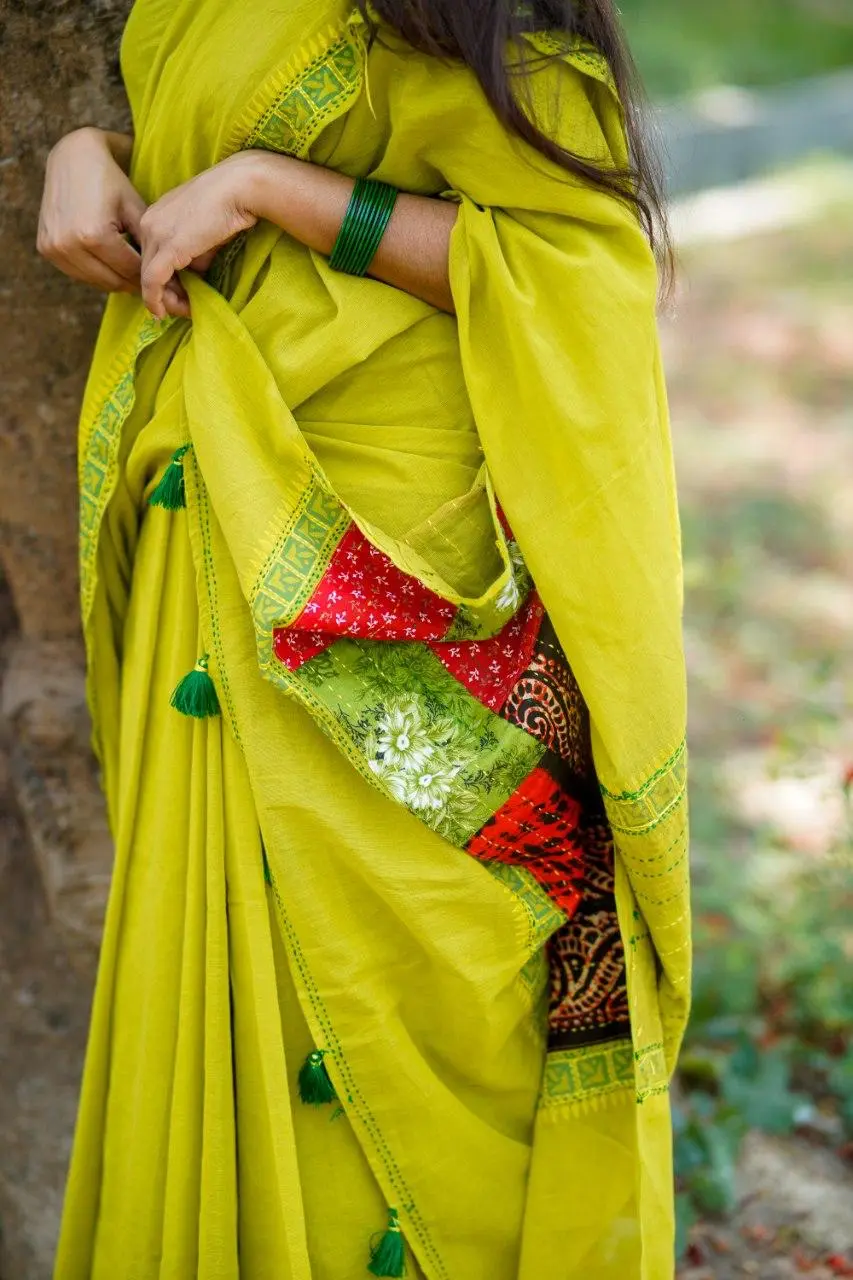
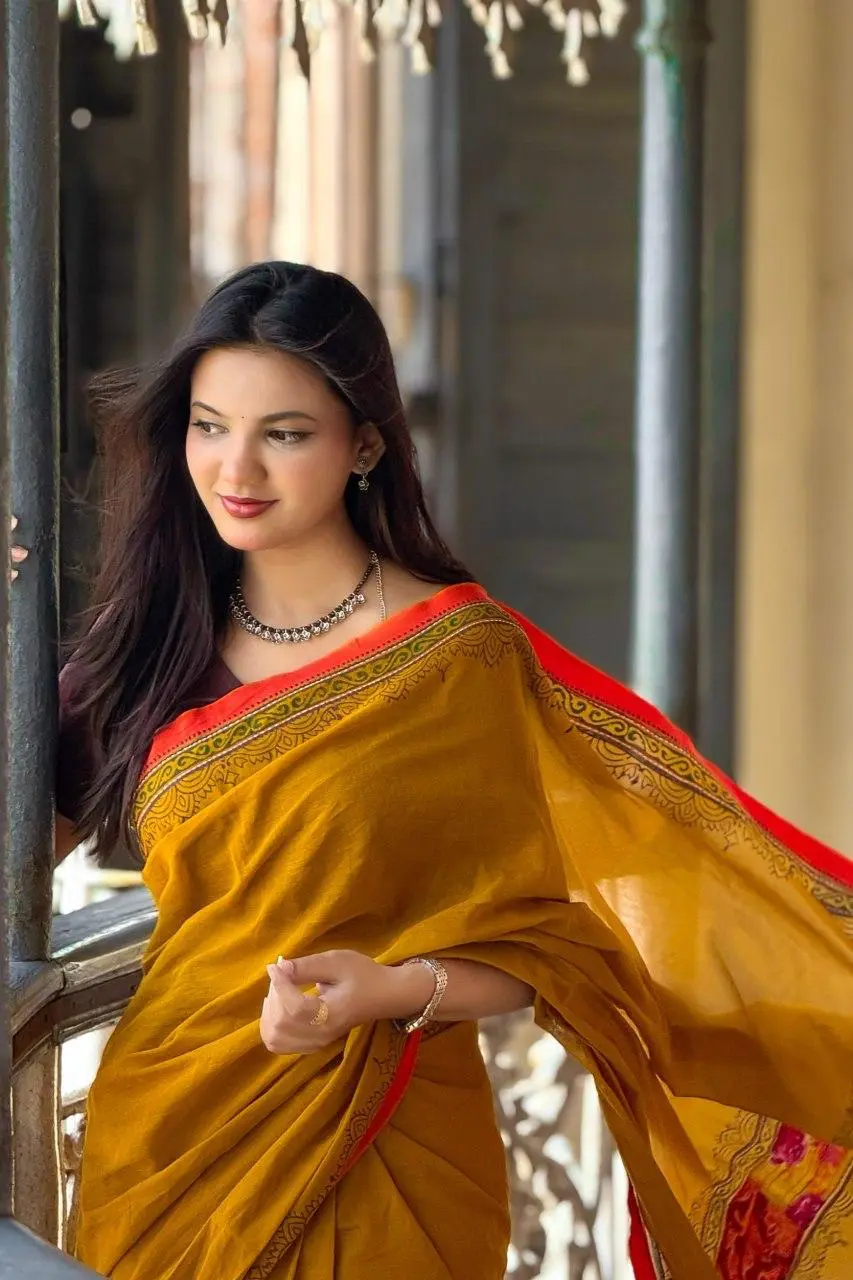
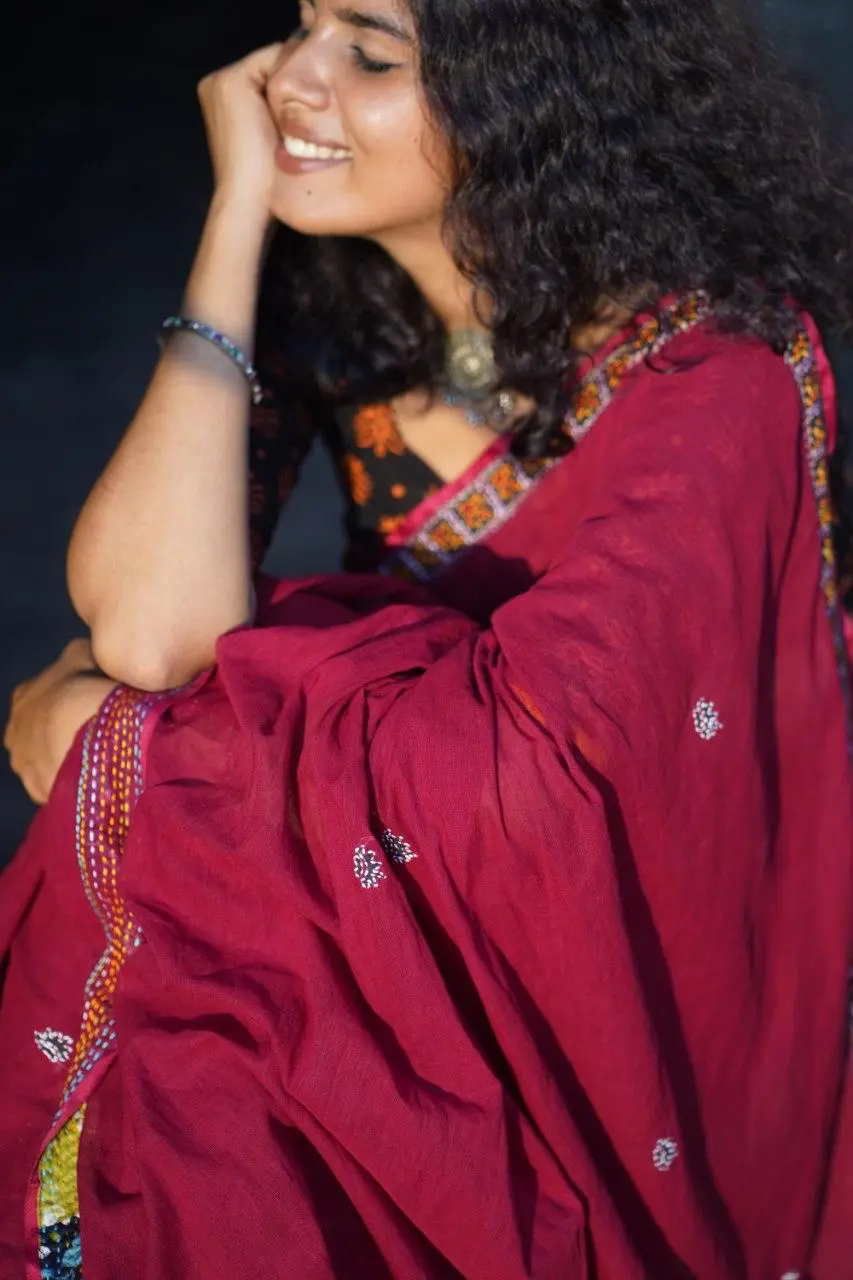
These Tangail cotton sarees are finished with hand stitching and patchwork by the JADUZ maker Boshon:

How much is a Tangail half silk saree?
Usually ৳1,000 to ৳3,000. That was the range for half silk woven in Pathrail during the October 2026 Puja market, and at Dhaka's Gausia market in March 2025 half silk and handloom saris sold for ৳1,000 to ৳2,500.
Half silk is its own grade, between cotton and pure silk: silk is part of the weave, but the name doesn't tell you how much. Before you buy, ask what it's woven from and how to wash it, and expect a clear answer.
It's our pick for Eid, Puja and Boishakh evenings: it drapes with more sheen than cotton at a fraction of a silk price. It's also the base of Tangail's newest style, the kardana jamdani described below.
What is Tangail jamdani, and how is it different from Dhakai?
Tangail jamdani is a Tangail saree with jamdani-style motifs woven in, using a simpler version of the jamdani technique. It's a real handloom saree from its own tradition, and at ৳1,500 to ৳5,500 in 2026 it costs a fraction of a Dhakai jamdani, where a handwoven 60/80-count started at ৳4,000 from the weavers in 2024. Our jamdani saree price guide covers the Dhakai weave.
The difference only matters when one is sold as the other. If you are paying a Dhakai price, run the checks in our guide on how to identify original jamdani.
Kardana jamdani was the 2026 Puja favourite: a half silk Tangail jamdani with small beads or grain-like ornaments set onto it. The beadwork alone takes two to three days, which is why it wholesales at ৳3,500 to ৳12,500 with beads all over, or ৳3,000 to ৳6,500 with work on the anchal and body only.
What makes one Tangail saree cost more than another?
The loom, the hours, the yarn and the motif work. A plain cotton and a bead-covered kardana are both Tangail saris, but one is a couple of days of weaving and the other has days more of handwork on top.
- The loom. Pathrail uses the hand-worked pit loom, the semi-automatic Chittaranjan loom and the power loom. A power loom makes eight to 10 saris a day; a finely woven handloom saree takes at least two days.
- Weaving time and wages. A half silk takes a weaver about two days, for a wage of around ৳700. A jamdani takes about a week and pays about ৳2,500.
- The yarn. The best cloth uses 100-count yarn, some saris mix 100 and 84-count, and cheaper ones use 74 or 70-count.
- The motifs. Small buti motifs, jamdani patterning and kardana beads all add hours. Hand-woven buti saris cost more, and machine production pulls the price down.
- Yarn costs. Yarn prices rose by around 30% in just a few days in October 2026, Raghunath Basak of the Tangail District Saree Traders Association told the Dhaka Tribune.
How can you tell an original handloom Tangail saree?
Ask how it was woven, then check the cloth. Price won't tell you: The Business Standard reported in 2025 that customers often can't tell handloom from power loom Tangail saris, and that both sell at similar prices. Muniera Emdad has said Tangail saris are now mainly made by machine.
Six checks before you pay:
- Ask which loom. Pit loom and Chittaranjan loom saris are hand-worked; power loom saris are not. A seller who knows the weaver can answer.
- Turn it over. A handloom saree shows slight inconsistencies on the back where motifs and borders were woven by hand. A machine-made one is perfectly uniform on both sides.
- Look at the motifs. Power loom designs look mechanically repetitive and perfectly symmetrical. Small variations in a buti are a good sign.
- Ask the yarn count. 100-count is the top grade; 74 or 70-count the cheaper end.
- Be wary of shine at a cotton price. Cheap, shiny synthetic cloth is often sold as silk to buyers who don't know the difference.
- Check the size and the border. A Tangail saree is about 14 haath long including the blouse piece and about 47 inches wide, and a true one keeps its size after washing. It always has a woven border, broad or narrow.
Where can you buy Tangail sarees: haat, Pathrail or Dhaka?
- Pathrail, Delduar. The heart of the trade, with weaving houses and shops across the villages of Pathrail and Chandi, where the Basak weaving community lives. Bajitpur, Krishnapur, Balla and Rampur weave too. See Tangail district.
- The weekly haats. Saris sell wholesale mainly at the haats of Karatia and Bajitpur in Tangail Sadar and Sallah in Kalihati, where traders come from across the country. A 2019 guide put the Bajitpur haat on Mondays and Fridays from dawn until about 10 am, about 1.5 km south of town, so check the day before you travel.
- Dhaka shops. Tangail Shari Kutir on Bailey Road had nothing under ৳900 and saris up to about ৳5,000 before Eid in March 2026. Gausia market is the bargain option. For the craft and fashion houses beyond Aarong, see our guide to shops like Aarong.
- Online. Buy from a seller who names the weaver and the loom, and ask for a photo of the back.
When is the busiest time to buy a Tangail saree?
Before Eid, Pohela Boishakh and Durga Puja. In March 2026, Raghunath Basak said sales had risen a lot around Eid and Pohela Boishakh, and traders expected to sell about 1.5 lakh saris across the two festivals. Puja brings out new designs, like the kardana jamdani of October 2026.
- Shop early for festivals. A weaver turns out about four saris a week, so stock can't grow quickly when demand jumps.
- Watch yarn prices. Yarn and dye costs climbed through 2026, and a sharp jump in yarn costs before a festival can reach the shop price.
- Leave the haats to traders. They are wholesale markets that start at dawn. For one or two saris, a weaver's shop in Pathrail is easier.
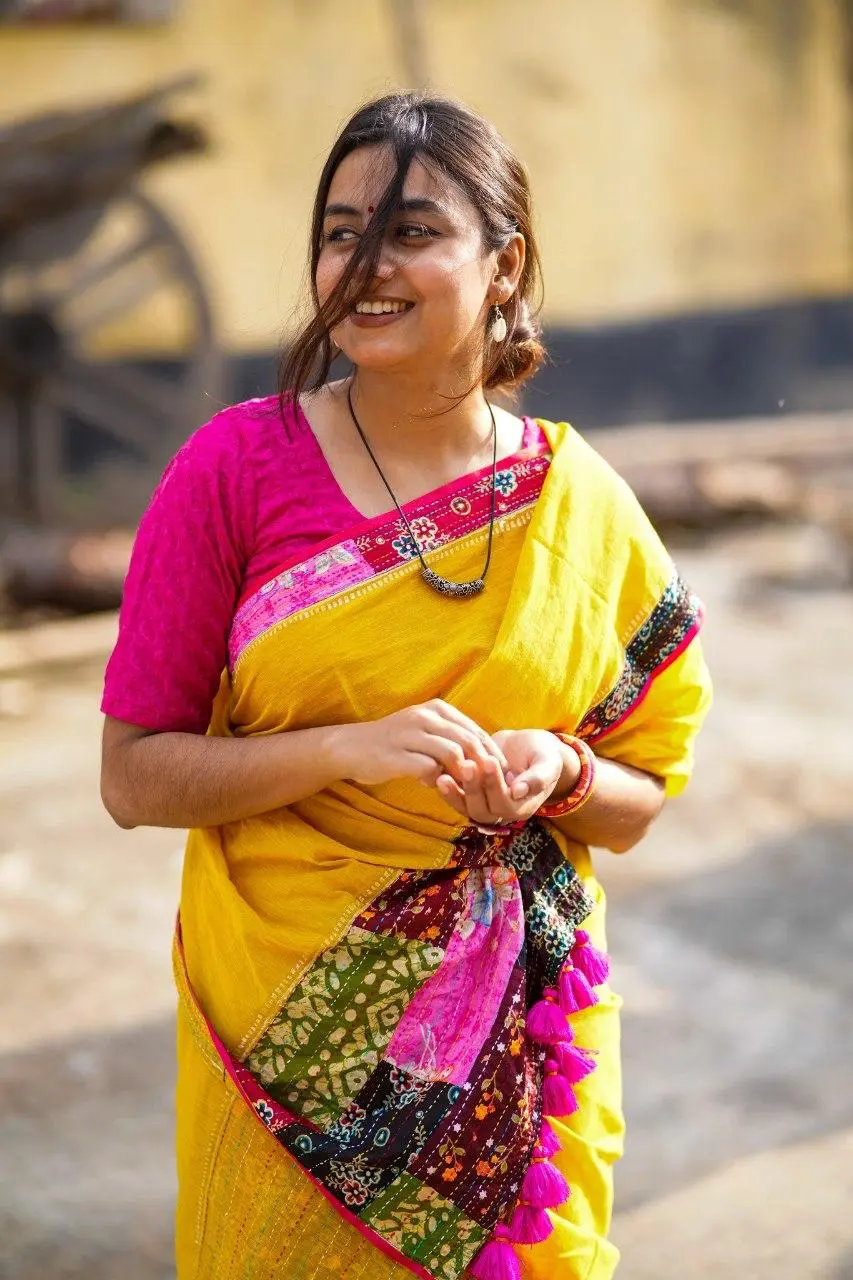
Shopping ahead of a festival? These Tangail cotton sarees are also hand-stitched by Boshon:
Is the Tangail saree a GI product and UNESCO heritage?
Yes to both. Bangladesh's Department of Patents, Designs and Trademarks recognised the Tangail saree as a Geographical Indication product on 7 February 2024. That followed India's GI of 2 January 2024, registered as Tangail Saree of Bengal, which Tangail's deputy commissioner has since challenged in the Madras High Court; the case was still pending in September 2026. In December 2025 UNESCO inscribed the Traditional Saree weaving art of Tangail on its list of intangible cultural heritage, describing a handwoven saree of cotton, silk or jute tied to the Basak and Jhola weaving communities.
How do you care for a Tangail saree?
- Cotton: before the first wash, soak it briefly in warm water with rock salt to stop the colour running. After that, hand wash in mild detergent, starch it and dry it in the shade.
- Half silk, silk, jamdani and kardana: follow the maker's care note for each one, and keep them away from heat and damp, which wear down half silk over time.
JADUZ's Jamdani guide explains the Dhakai weave that Tangail jamdani borrows from, and how to store a woven saree so it lasts.