
Craft Atlas
Hand Stitch Clothing
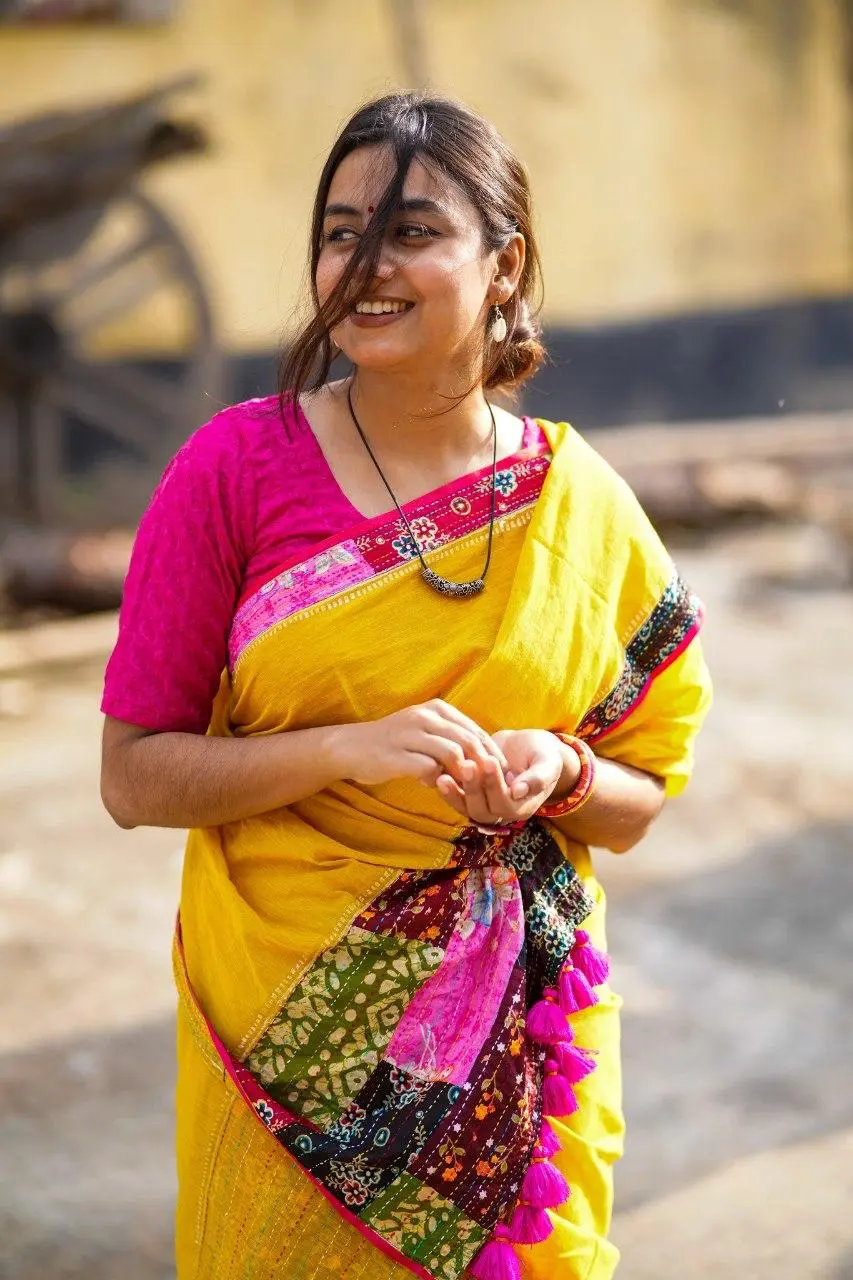
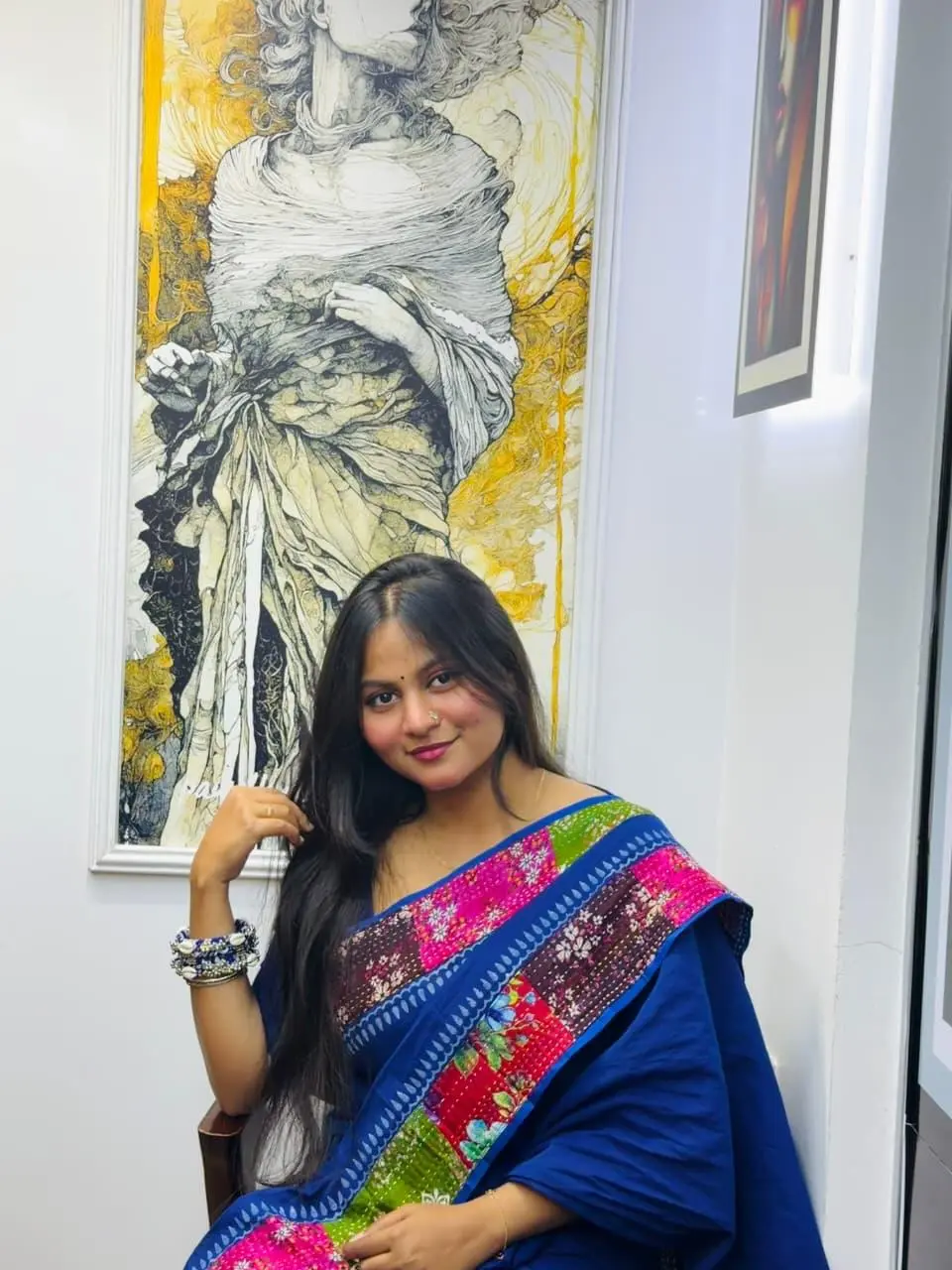
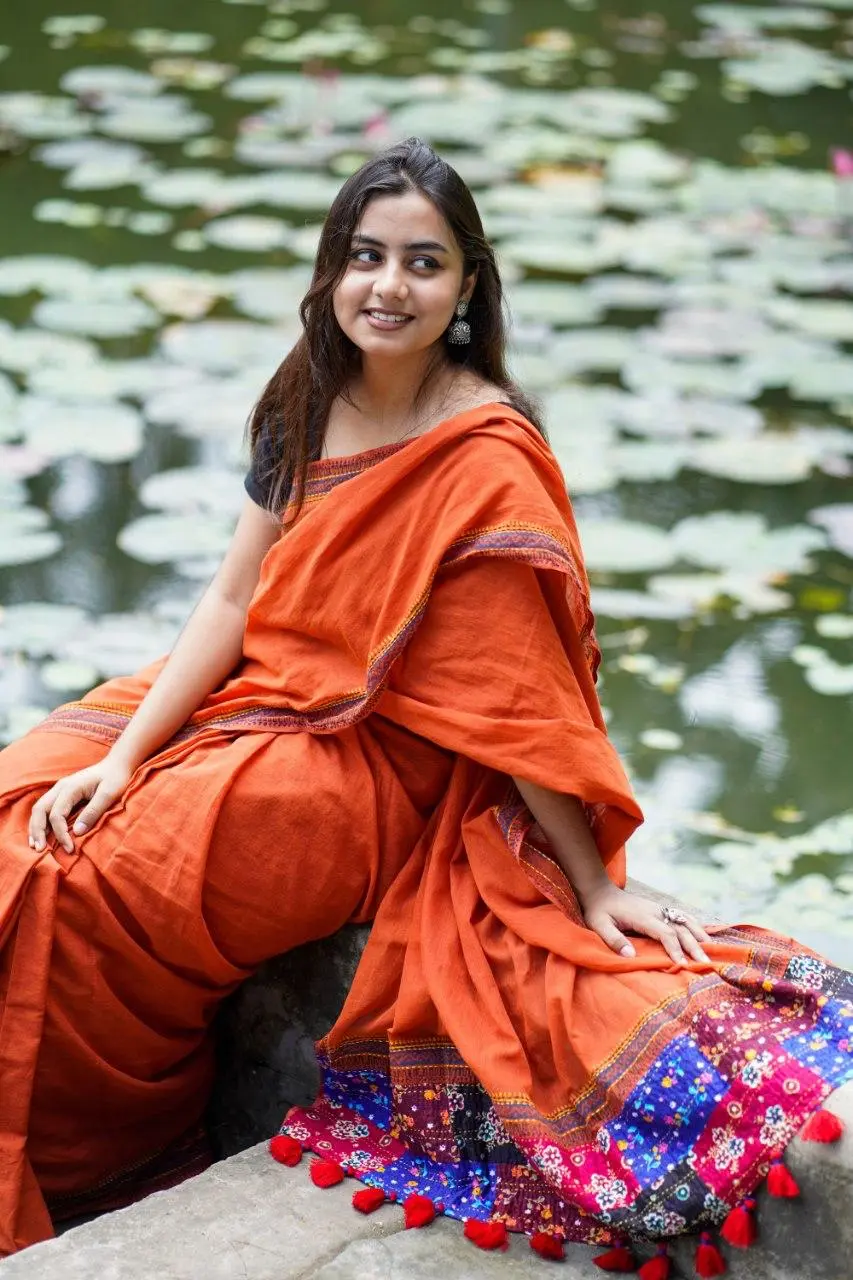
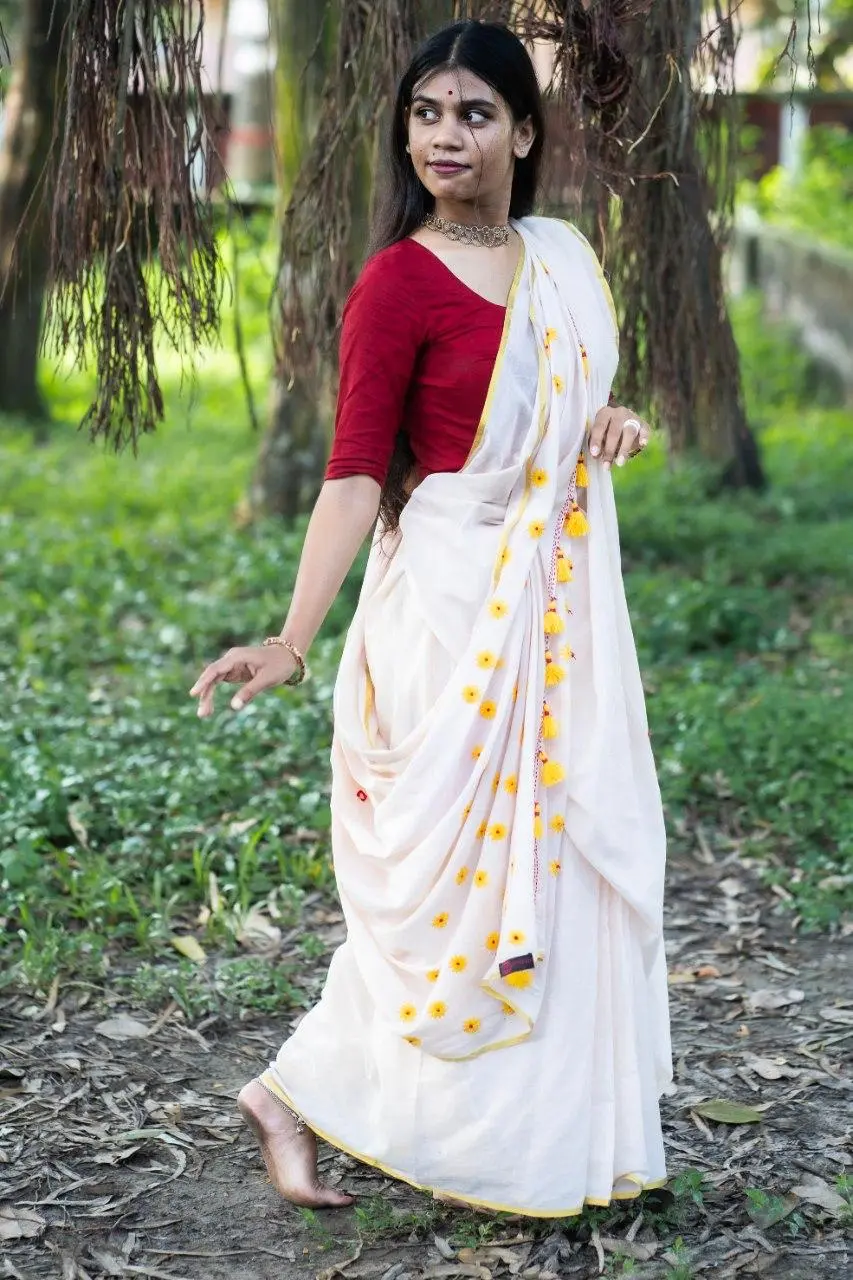
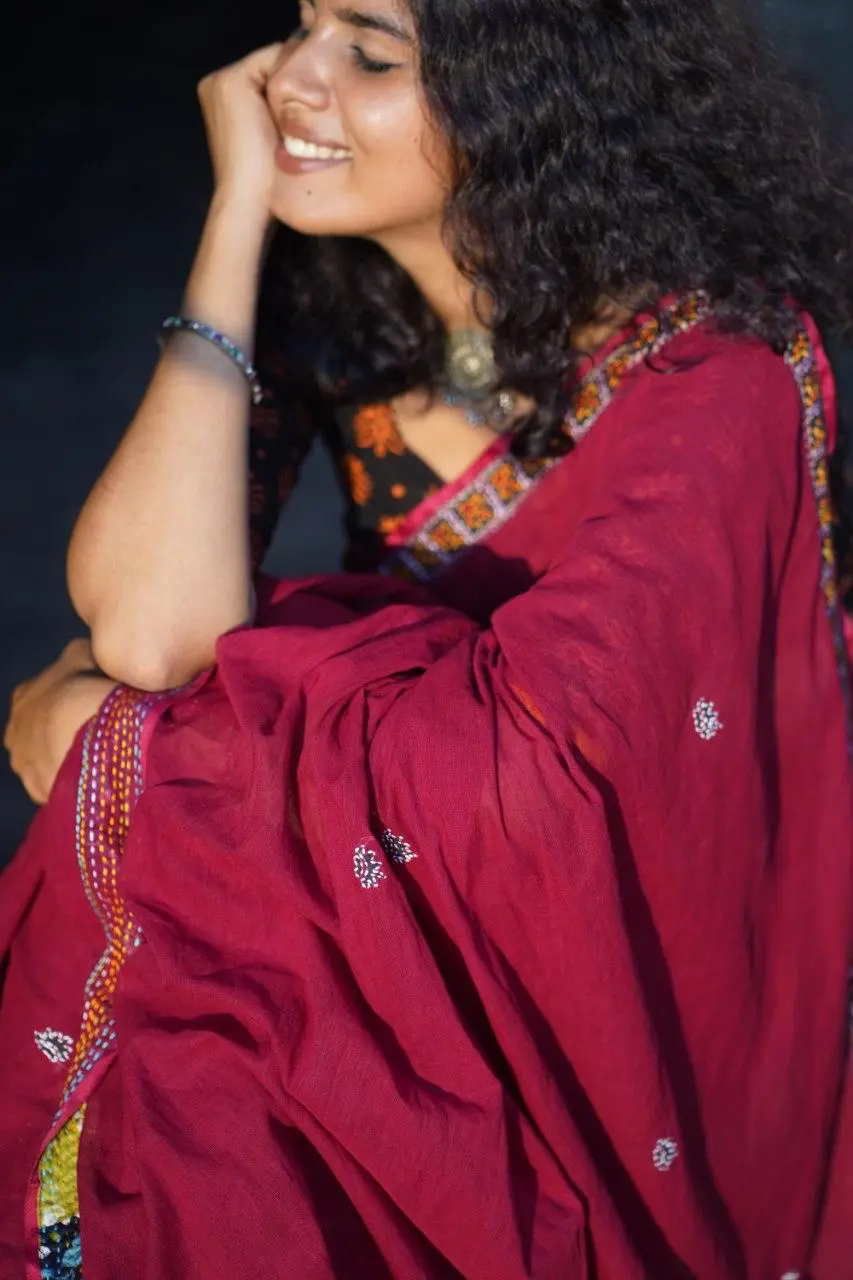
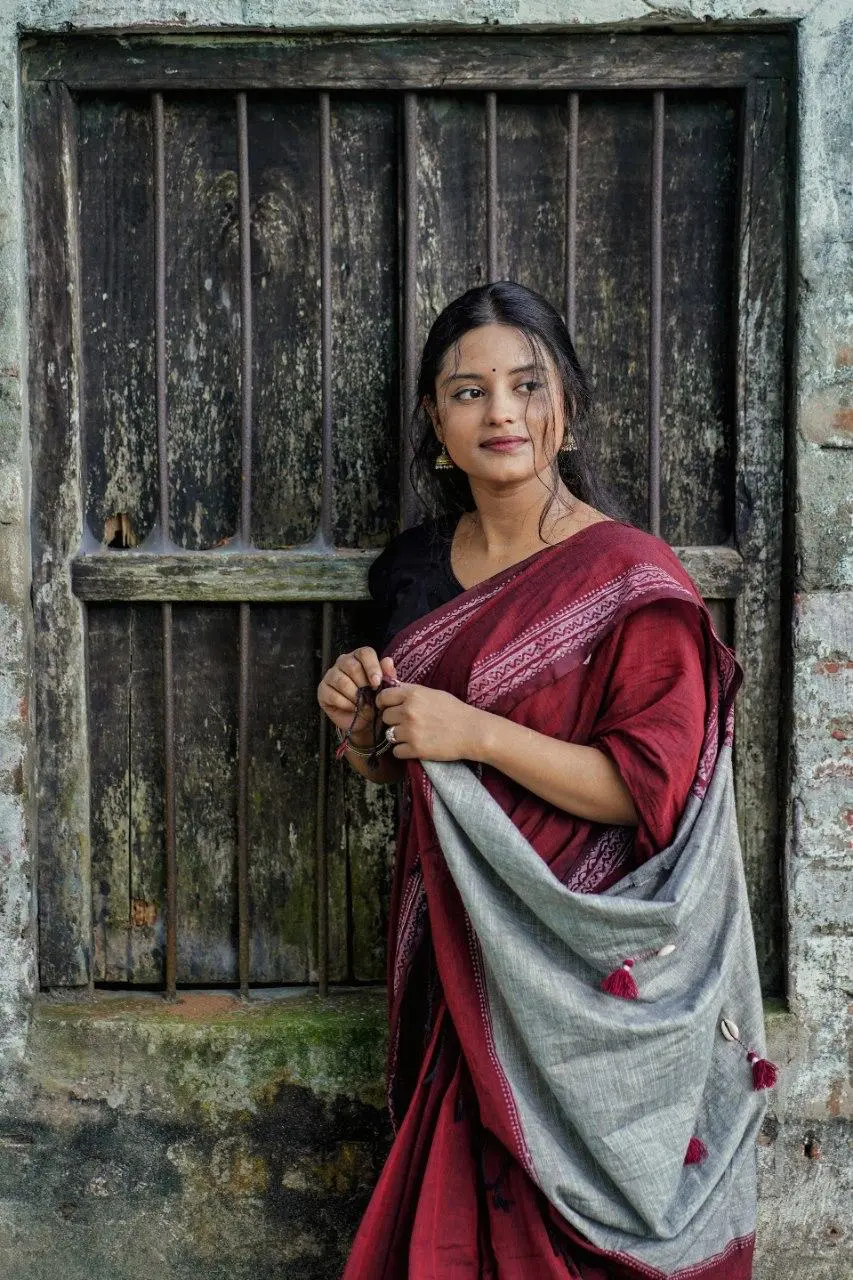
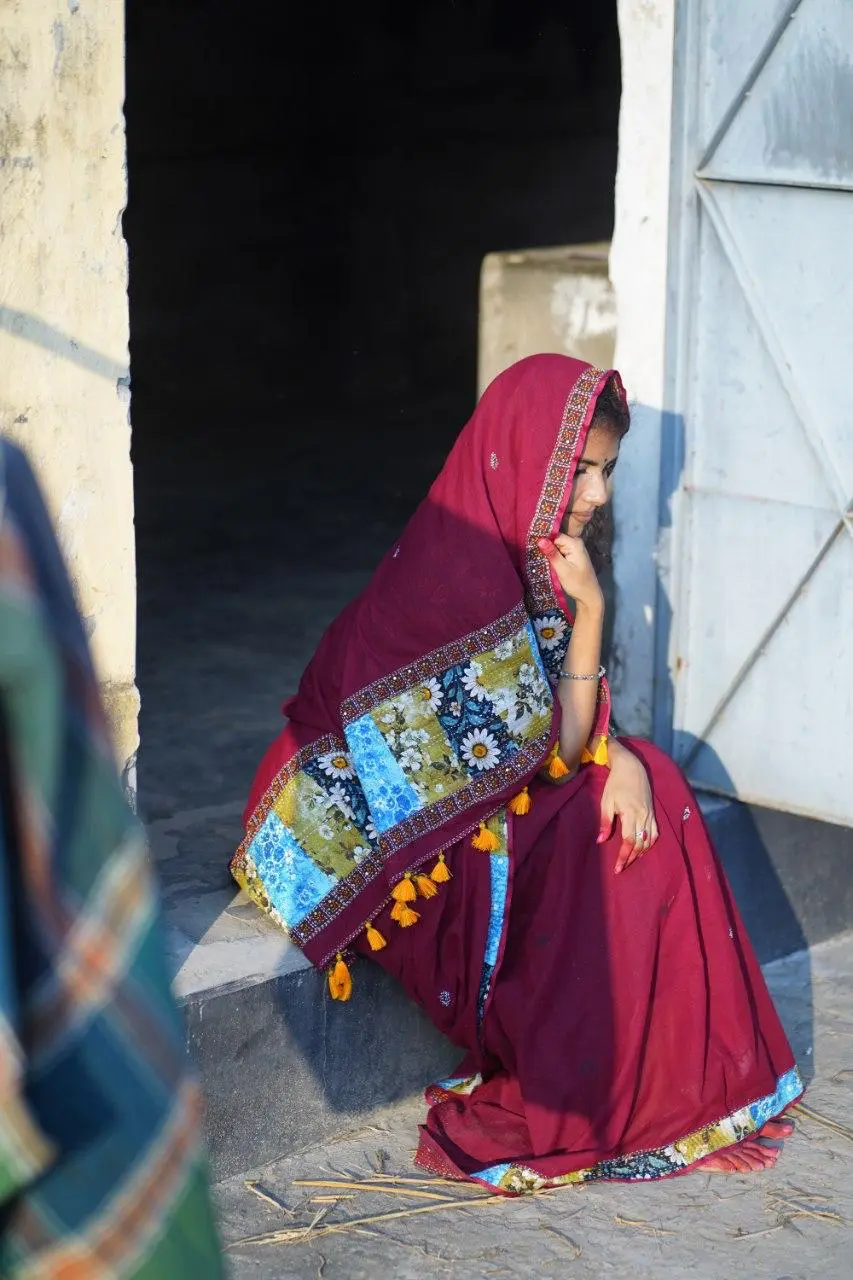
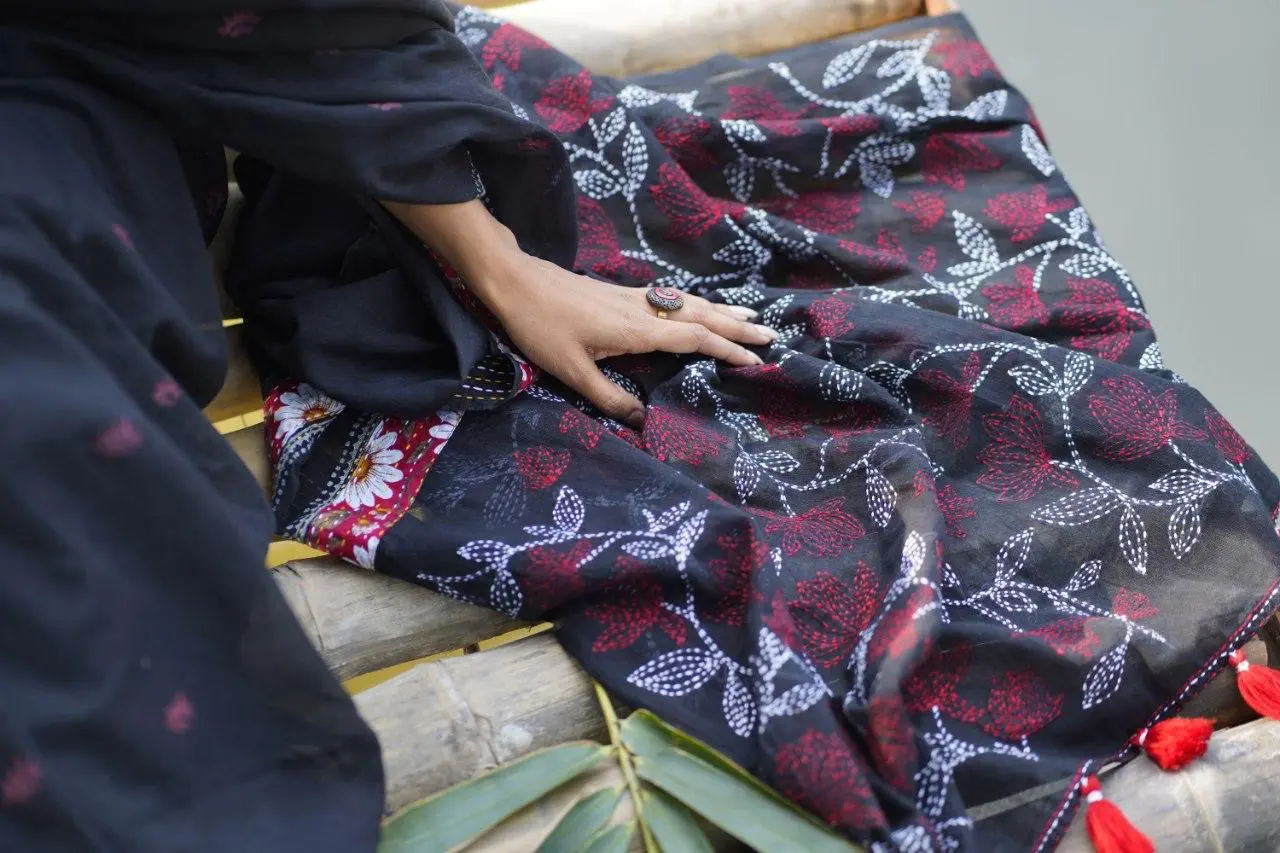
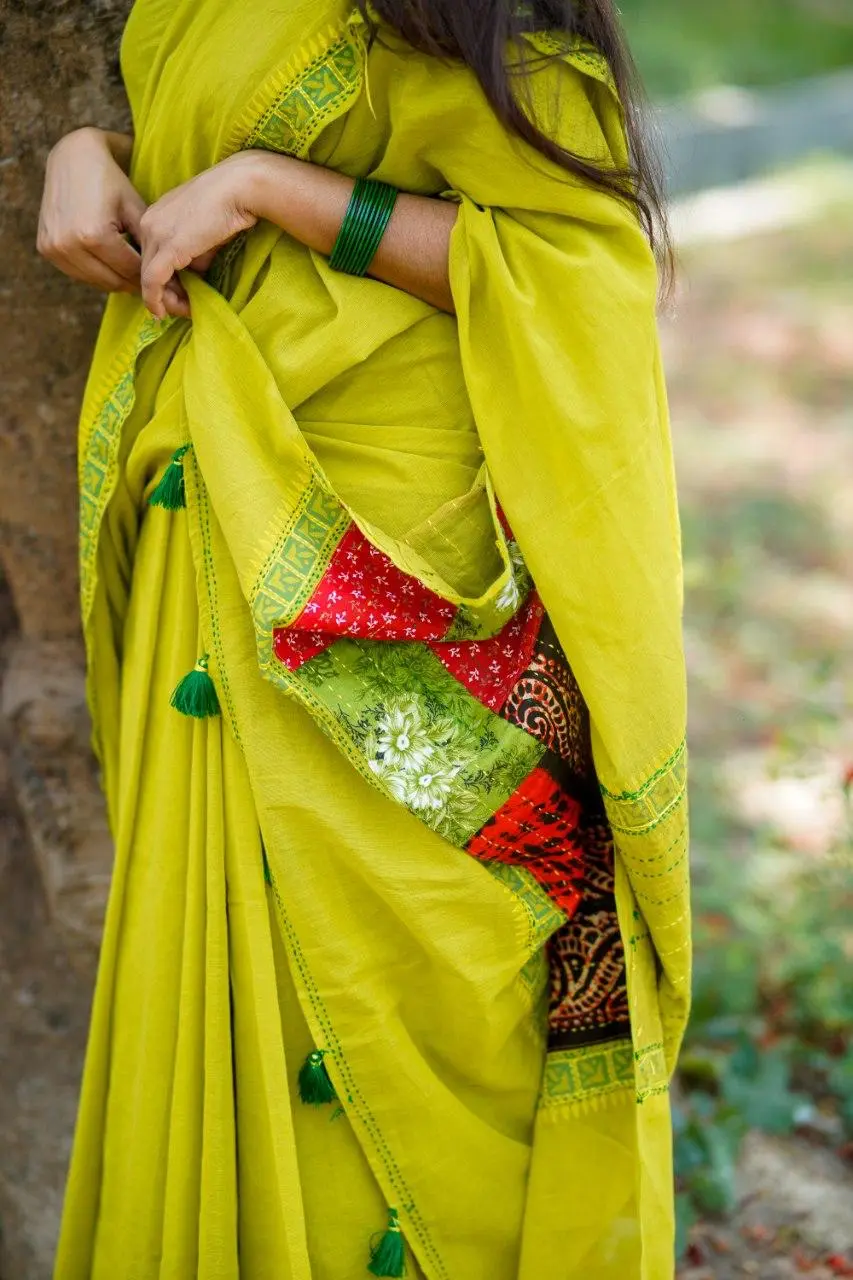
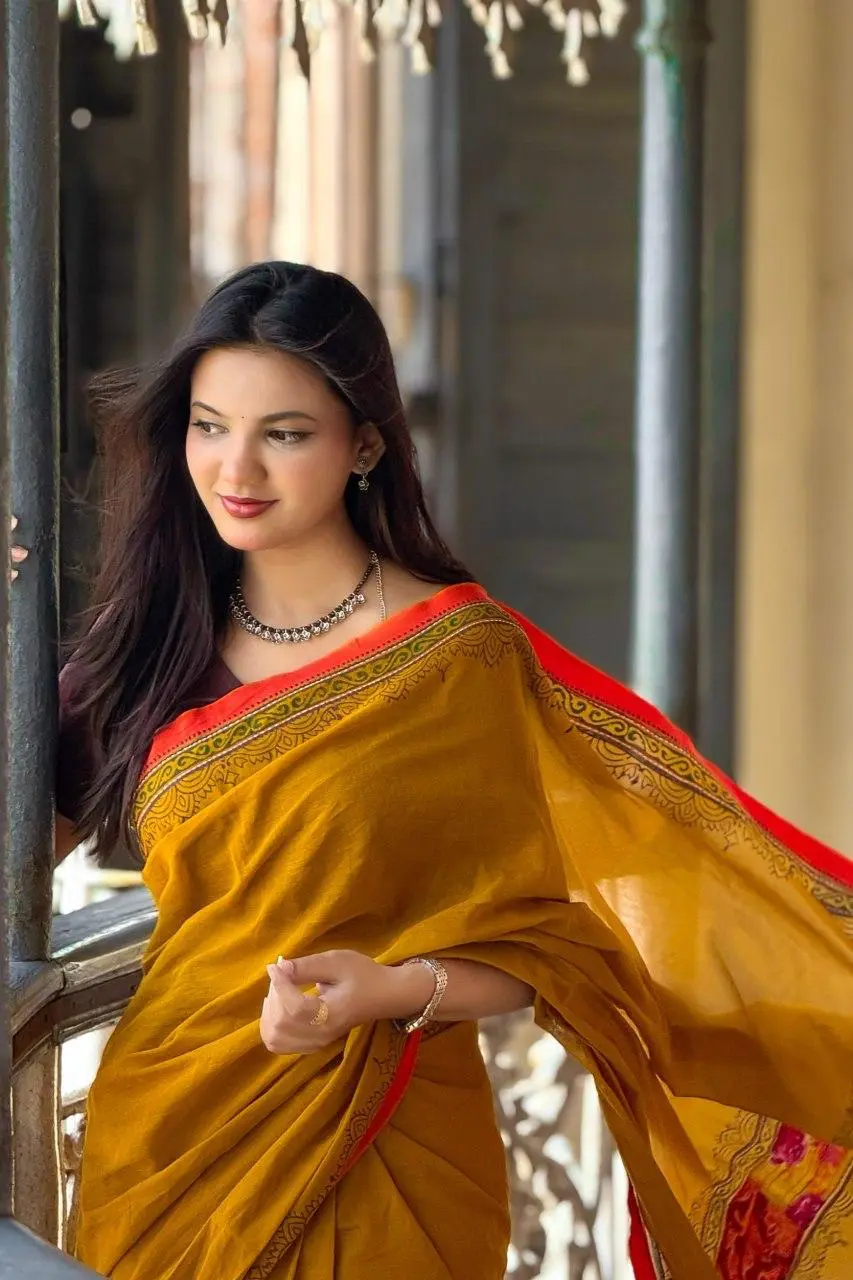
Hand stitch clothing is clothing whose decoration is stitched by hand with a needle and thread rather than by machine: sarees, kurtis, kameezes and panjabis worked in kantha running stitch, chikan white work, karchupi and other hand embroidery. In Bangladesh this work is done in Dhaka neighbourhoods such as Mirpur and Mohammadpur and in villages of Nilphamari district.
Where it's made
Pieces
11 pieces
Showing 1–11 of 11 pieces
Makers
About Hand Stitch Clothing
What it is
Hand stitch clothing means garments whose decoration is stitched by hand with a needle and thread instead of on a sewing machine. In Bangladesh that includes sarees, kurtis, kameezes and men's panjabis.
Kantha is a type of embroidery craft in Bangladesh and eastern India. Kantha work ranges from a simple running stitch along the edges to running stitches that cover the entire cloth. Today kantha stitching is used on saris, kurtas or panjabis, churidars, dupattas and shirts for men and women. Other needlework with a long history in the region, such as chikan and karchupi, is also done on clothes.
The stitches and techniques
- Kantha stitch: various forms of the running stitch, arranged in patterns to build motifs and borders. Rural women traditionally drew the thread for it from sari borders.
- Cross stitch and back stitch: Rajshahi is known for kanthas worked in cross stitch and for sujni coverlets worked in back stitch.
- Satin, chain and lazy-daisy stitches: used on kameezes as well as on pillow covers, bedspreads and tablecloths.
- Chikan: white work on fine white cotton such as muslin and nainsook, now done on kurtas and kameezes.
- Karchupi: gold and silver work done on tightly stretched cloth, also called adi or iri. It comes from karchob embroidery, for which Dhaka was once famous.
Where it's made in Bangladesh
- Dhaka: chikan embroidery on kurtas and kameezes is done in Mirpur, Kachukhet, Mohammadpur and Dayaganj, and artisans in Mohammadpur and Mirpur still do karchob work.
- Geneva Camp in Mohammadpur: a busy embroidery hub where karchupi is worked, sometimes with beads. Before Eid the needleworkers work around the clock, and embroidering a single outfit takes seven or eight hours.
- Nilphamari: women in about 15 remote villages of the district, including Golahat in Saidpur upazila, do embroidery and ornamental stitching on saris, scarves, blouses and other clothes, adding sequins, beads, coloured stones and lace. Many learned the work by watching and practising, and local traders link them with Dhaka-based traders.
- Jashore, Faridpur and Rajshahi: long known for nakshi kanthas.
How to tell hand from machine stitching
- Look at the motifs. On industrial machine embroidery they line up as if placed with a ruler, and the stitches are very regular in shape and size.
- Look for threads that run across the front of the cloth from one part of the design to another. That is a sign of machine work.
- Turn the garment over. Hand embroiderers normally hide their thread on the back of the cloth.
Caring for it
- Wash it by hand in cold water with a little mild soap. Cold water helps stop colours from bleeding, and machine washing is likely to shorten the life of the embroidery.
- Avoid bleach and fabric softener.
- Do not wring. Fold the garment and squeeze it gently to remove the water.
- Hang it to air dry and keep it out of the tumble dryer.
- Iron through a pressing cloth or a thin, clean towel, or steam the garment inside out.
- Check the care note on the listing first: silk and gold or silver thread work may need dry cleaning instead.
From the Journal
Guide
Cotton saree price in Bangladesh: types, how to wear and starch
A cotton saree costs about ৳400 to ৳3,000 in Bangladesh, more with hand work. In 2026, Cumilla batik started at ৳500, block prints at Dhaka's Banalata Market sold for ৳1,000 to ৳1,500, Tangail maslais cotton for ৳1,200 to ৳3,000, and Aarong's cotton sarees from about ৳2,070. Hand-stitched cotton runs ৳2,200 to ৳5,500.
Guide
Hand embroidery saree price in Bangladesh: hand stitch and patchwork
A hand-stitched cotton saree costs about ৳2,200 to ৳5,500 in Bangladesh in 2026: ৳2,250–৳2,450 at small online shops, ৳2,177–৳2,882 for Aarong's embroidered cotton, ৳5,000–৳5,500 for Kumudini's kantha stitch. Silk or muslin with kantha or appliqué costs ৳15,000 to over ৳32,000. Turn it over: white bobbin thread means a machine.
Good to know
How can I tell hand embroidery from machine embroidery?
On machine embroidery the motifs line up as if placed with a ruler and the stitches are very regular in shape and size. Threads that jump across the front between parts of the design also point to a machine, while hand embroiderers normally hide their thread on the back.
Which hand techniques are used on clothes in Bangladesh?
They include the kantha running stitch; satin, chain and lazy-daisy stitches on kameezes; chikan white work on kurtas and kameezes; and karchupi, a gold and silver work done on tightly stretched cloth.
Is kantha stitch only used on quilts?
No. Kantha stitching is now used on saris, kurtas or panjabis, churidars, dupattas and shirts for men and women.
How long does the hand embroidery on one outfit take?
It depends on the design. At the Geneva Camp embroidery hub in Mohammadpur, Dhaka, embroidering a single outfit takes seven or eight hours.
How should I wash a hand-embroidered kurti or panjabi?
Hand wash it in cold water with a little mild soap, skip bleach and fabric softener, squeeze the water out instead of wringing, and hang it to air dry. Iron through a pressing cloth.
Sources
- Embroidery (Banglapedia)
- Kantha
- Busy needle workers at Geneva Camp
- Women make fancy designs on clothes for Eid market
- Hand embroidery versus multiple-needle machine embroidery
- How To Wash Hand Embroidered Clothes: Care + Considerations
Reviewed by JADUZ curators · updated October 25, 2026