 −20%
−20%৳2,560Was৳3,200
Rupganj Weavers, Narayanganj
Craft Atlas
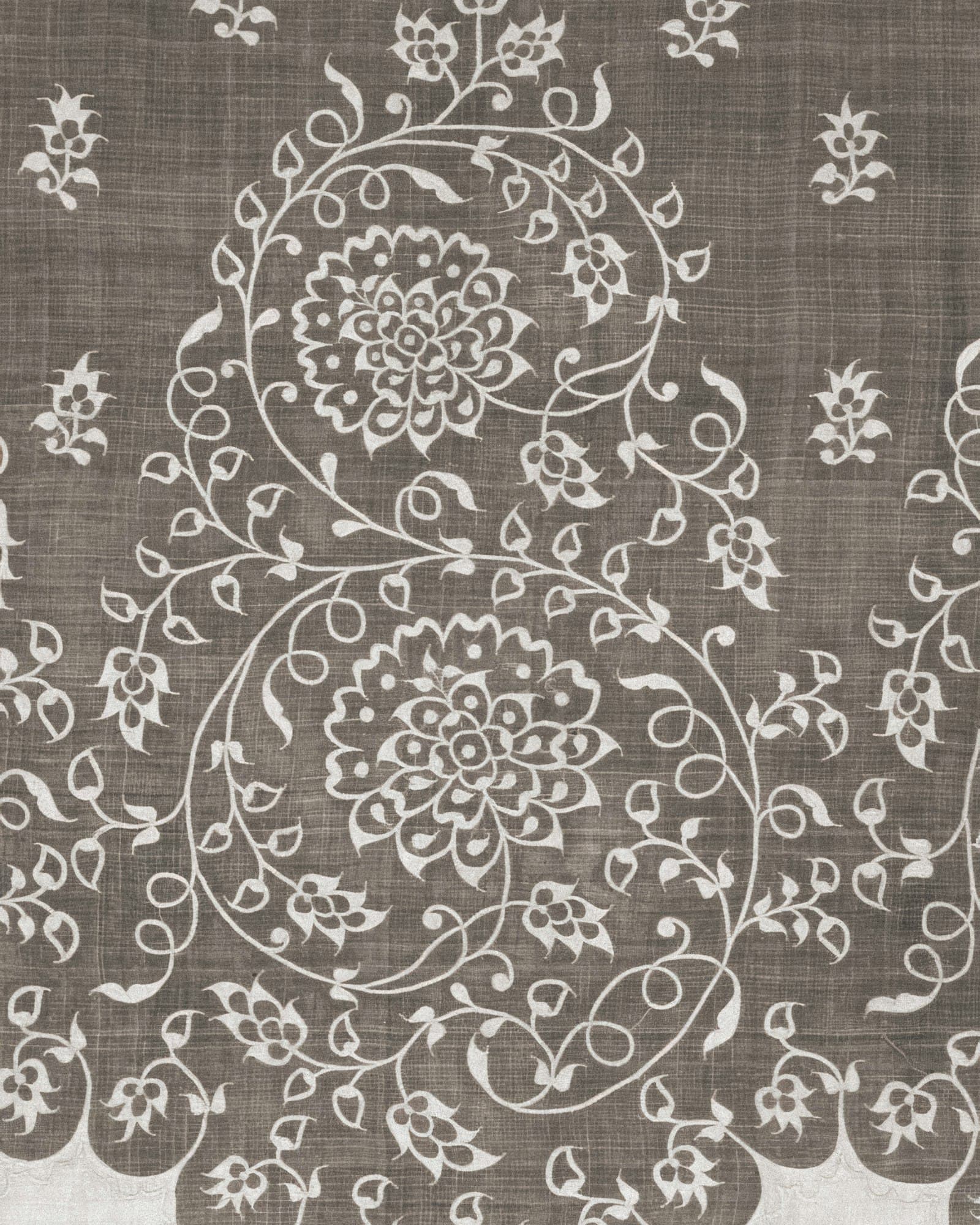
Jamdani is a fine, sheer cotton fabric, best known as the Jamdani sari, woven by hand on a loom with patterns inserted thread by thread as the cloth is made. It is woven mainly in Narayanganj district near Dhaka, in Rupganj, Sonargaon and Siddhirganj along the Shitalakshya river.
3 pieces
Showing 1–3 of 3 pieces
−20%৳2,560Was৳3,200
Rupganj Weavers, Narayanganj

৳1,650
About Jamdani
Jamdani belongs to the long tradition of fine cotton weaving around Dhaka, the same region once famous for its muslin. The cloth was earlier called Dhakai, after the city, and the Persian name Jamdani came into use under Mughal rule, when the court prized finely patterned cotton. Some historical pieces mixed cotton with gold thread.
In 2013 UNESCO inscribed the traditional art of Jamdani weaving on its Representative List of the Intangible Cultural Heritage of Humanity. Jamdani was also the first product to receive Geographical Indication (GI) status in Bangladesh. UNESCO notes that the Jamdani sari gives the women who wear it a strong sense of cultural identity, and that demand for saris keeps the craft alive today.
Jamdani is woven on a handloom, usually by two people sitting side by side: a master weaver and an apprentice or helper. Skills pass from master to disciple, and from parents to children in home workshops, supported by spinners, dyers and loom-dressers.
Weaving is slow and labour-intensive. A simpler sari can take about a week on the loom, while a finely patterned one can take several months.
Jamdani weaving is concentrated in Narayanganj district, just east of Dhaka:
Turn it over: on handwoven Jamdani the motifs are woven in and show on both sides, with small variations between them. Printed designs stay on the surface, and powerloom motifs are identical.
Every motif is inlaid by hand on the loom, so a simple sari can take about a week and a finely patterned one several months. Finer yarn, denser motifs and metallic thread raise the price further.
Jamdani grew out of the same fine-cotton weaving tradition around Dhaka. What sets it apart is the pattern woven into the cloth on the loom.
Dry clean it, especially if it has metallic thread. Store it folded in soft cotton and refold it every few months.
Yes. UNESCO inscribed the traditional art of Jamdani weaving as Intangible Cultural Heritage in 2013, and Jamdani was the first Geographical Indication product of Bangladesh.
Reviewed by JADUZ curators · updated October 2, 2026
Rupganj Weavers, Narayanganj
 One of a kind
৳14,500
Rupganj Weavers, Narayanganj